TWOTHIRDS SUBSCRIPTION
UX/UI
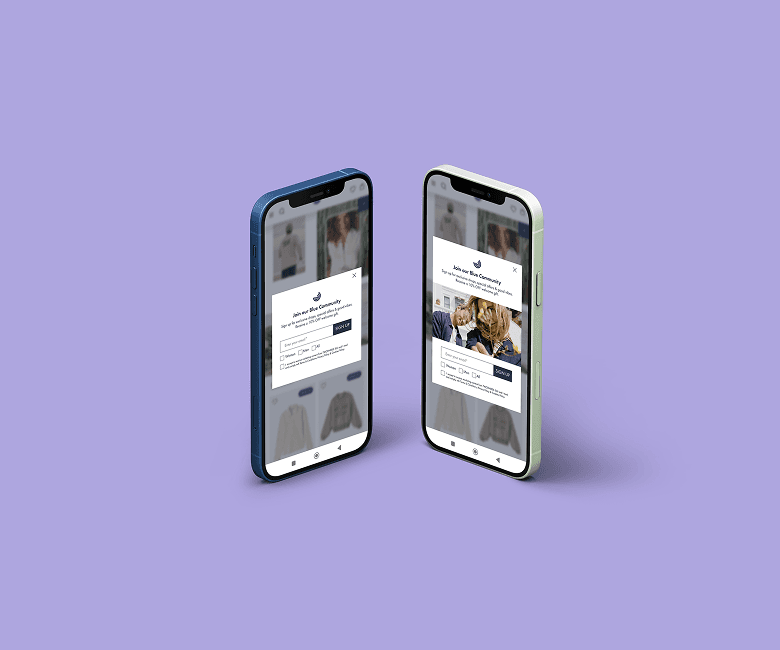
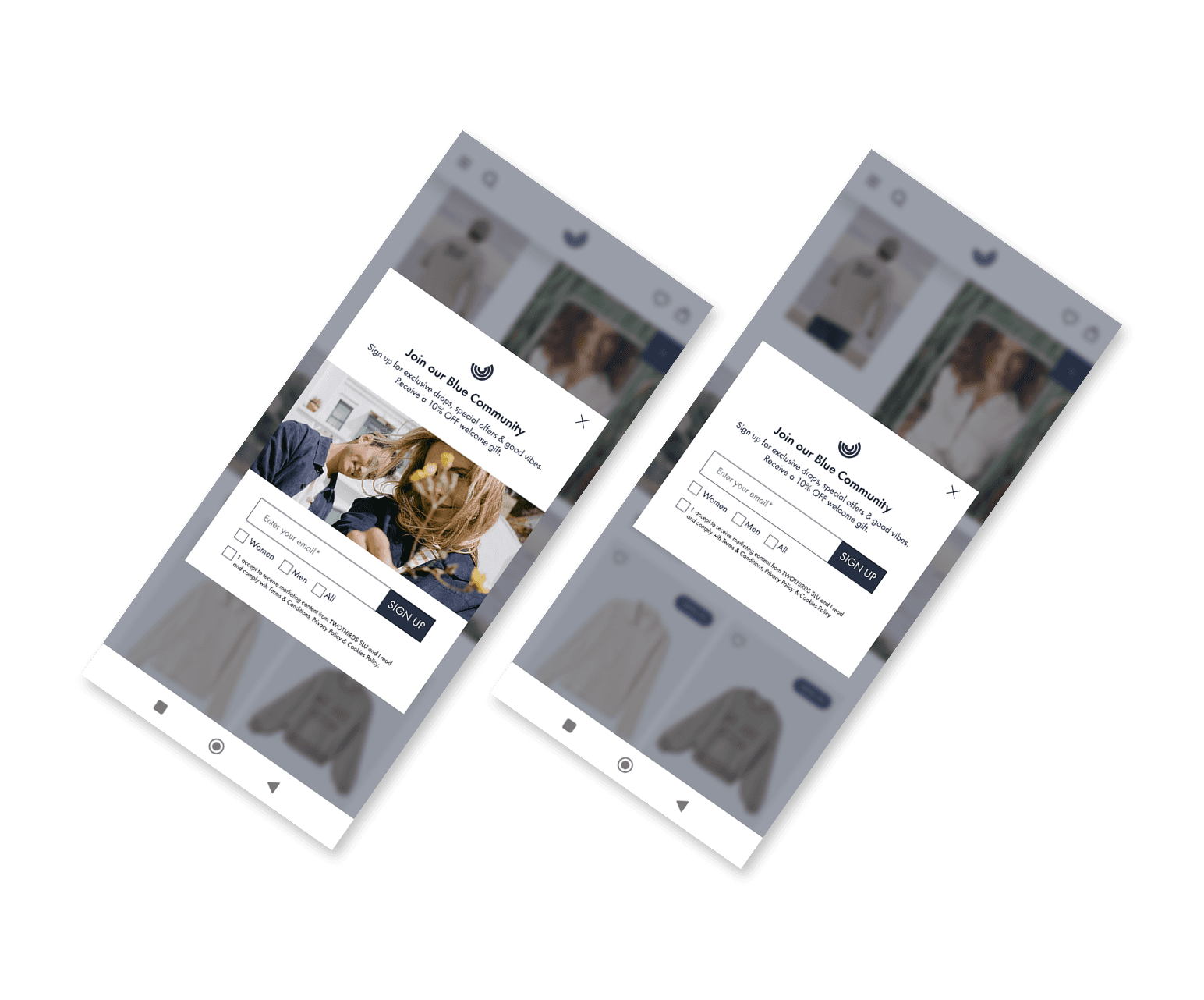
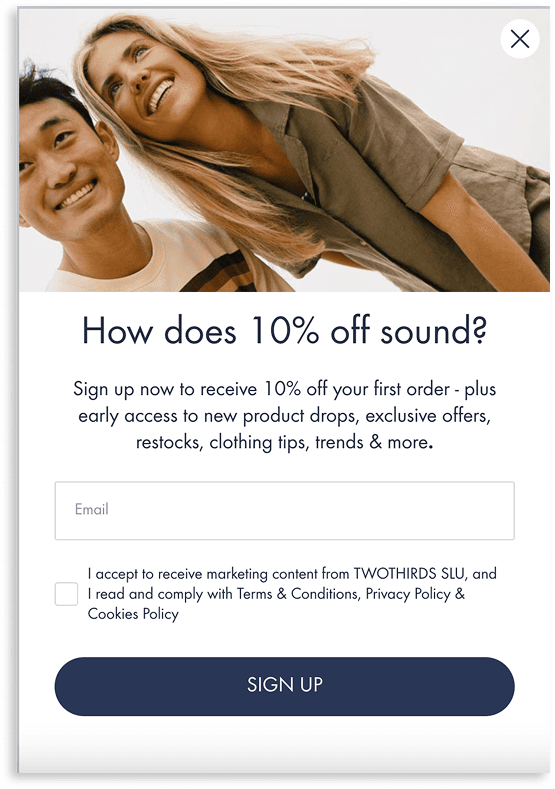
The project's objective was to redesign the current pop-up for one that was more focused on facilitating the conversion process. In total, 2 pop-ups were designed, one with image and one without to perform an A/B test.
Interaction Redesign
UX OPTIMIZATION
CONVERSION-FOCUSED UX
A/B TESTING SETUP
FIGMA PROTOTYPING
Client
TWOTHIRDS
Year
2025
Field
Online-Retail
TWOTHIRDS SUBSCRIPTION
TWOTHIRDS SUBSCRIPTION
UX/UI
The project's objective was to redesign the current pop-up for one that was more focused on facilitating the conversion process. In total, 2 pop-ups were designed, one with image and one without to perform an A/B test.
Interaction Redesign
UX OPTIMIZATION
CONVERSION-FOCUSED UX
A/B TESTING SETUP
FIGMA PROTOTYPING
UX OPTIMIZATION
CONVERSION-
FOCUSED UX
A/B TESTING SETUP
FIGMA PROTOTYPING
Client
TWOTHIRDS
Year
2025
Field
Online-Retail
Driving Conversion
Through Strategic UX
Through benchmarking direct competitors and high-performing brands across different industries, I identified effective interaction patterns and UX best practices to improve the conversion flow of the existing pop-up. Based on these insights, I defined the structure and developed interactive prototypes in Figma to communicate the experience to Developers and Growth teams.
We then conducted a two-step A/B testing process that enabled performance comparison and supported data-driven optimization aligned with business goals.
Key Improvements
Version A vs Version B
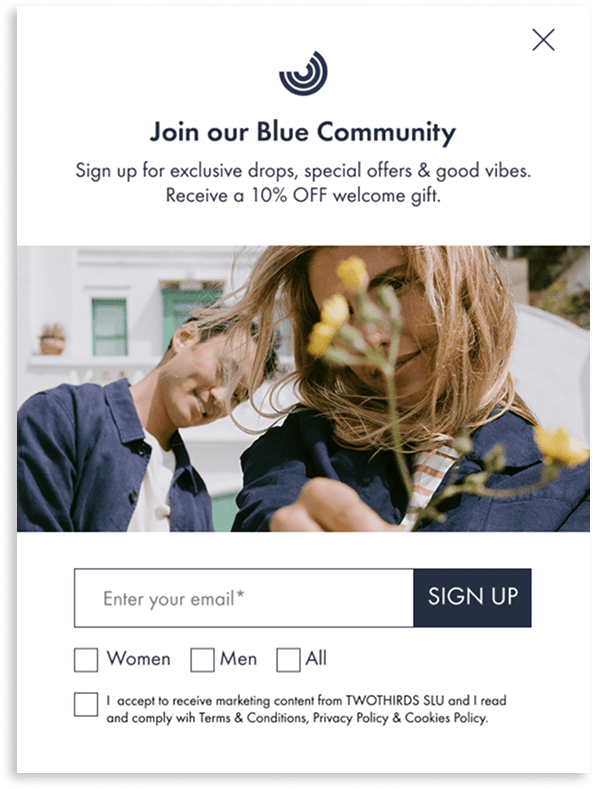
Version A includes an image to create a more visually engaging experience, while Version B relies on text only for a cleaner and faster interaction. Both variants were first evaluated against each other to assess the impact of imagery. Based on these insights, the selected version was then tested* against the existing pop-up to compare performance and inform data-driven decisions.
Branding
The logo was added to strengthen brand visibility and recognition within the pop-up.Copy
The text was reframed to highlight value
and benefits rather than focusing solely
on promotions.
CTA Placement
The primary CTA was moved next to the email field to reduce friction and enable quicker user decisions.
Personalization
Preferences were added to tailor content to the user, increasing relevance and potential conversion.
Version A: image


Version B: text only
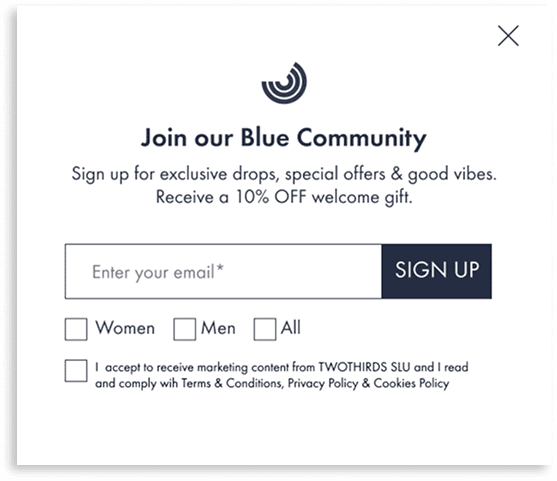
Versions A and B were initially compared, with the image-based variant performing better.
The winning version was then tested against the original pop-up, with no statistically significant differences observed. However, personalized content preferences were added in the second step, after users clicked “Sign Up,” improving usability and enabling more tailored newsletter communication.
Results
Versions A and B were initially compared, with the image-based variant performing better.
The winning version was then tested against the original pop-up, with no statistically significant differences observed. However, personalized content preferences were added in the second step, after users clicked “Sign Up,” improving usability and enabling more tailored newsletter communication.
Results
The Starting Point
The original pop-up was heavily promotion-driven, with limited visual hierarchy and a dense layout that competed for attention.
The primary CTA was placed at the bottom, increasing friction and slowing user decision-making.
Previous Popup
Overview: Driving Conversion Through Strategic UX
Through benchmarking direct competitors and high-performing brands across different industries, I identified effective interaction patterns and UX best practices to improve the conversion flow of the existing pop-up. Based on these insights, I defined the structure and developed interactive prototypes in Figma to communicate the experience to Developers and Growth teams.
We then conducted a two-step A/B testing process* that enabled performance comparison and supported data-driven optimization aligned with business goals.
The Starting Point
The original pop-up was heavily promotion-driven, with limited visual hierarchy and a dense layout that competed for attention. The primary CTA was placed at the bottom, increasing friction and slowing user decision-making.
Previous Popup
Key Improvements
Version A vs Version B
Version A includes an image to create a more visually engaging experience, while Version B relies on text only for a cleaner and faster interaction. Both variants were first evaluated against each other to assess the impact of imagery. Based on these insights, the selected version was then tested* against the existing pop-up to compare performance and inform data-driven decisions.
Branding
The logo was added to strengthen brand visibility and recognition within the pop-up.Copy
The text was reframed to highlight value
and benefits rather than focusing solely
on promotions.
CTA Placement
The primary CTA was moved next to the email field to reduce friction and enable quicker user decisions.
Personalization
Preferences were added to tailor content to the user, increasing relevance and potential conversion.
Version A vs Version B
Version A includes an image to create a more visually engaging experience, while Version B relies on text only for a cleaner and faster interaction. Both variants were first evaluated against each other to assess the impact of imagery. Based on these insights, the selected version was then tested* against the existing pop-up to compare performance and inform data-driven decisions.
Branding
The logo was added to strengthen brand visibility and recognition within the pop-up.
Copy
The text was reframed to highlight value
and benefits rather than focusing solely
on promotions.
CTA Placement
The primary CTA was moved next to the email field to reduce friction and enable quicker user decisions.
Personalization
Preferences were added to tailor content to the user, increasing relevance and potential conversion.
Version A: image
Version B: text only
Results
Versions A and B were initially compared, with the image-based variant performing better.
The winning version was then tested against the original pop-up, with no statistically significant differences observed. However, personalized content preferences were added in the second step, after users clicked “Sign Up,” improving usability and enabling more tailored newsletter communication.